




Mold Datum Management: The Root Cause of Many Dimension Out-of-Tolerance Issues Is Uncontrolled Datum Conversion
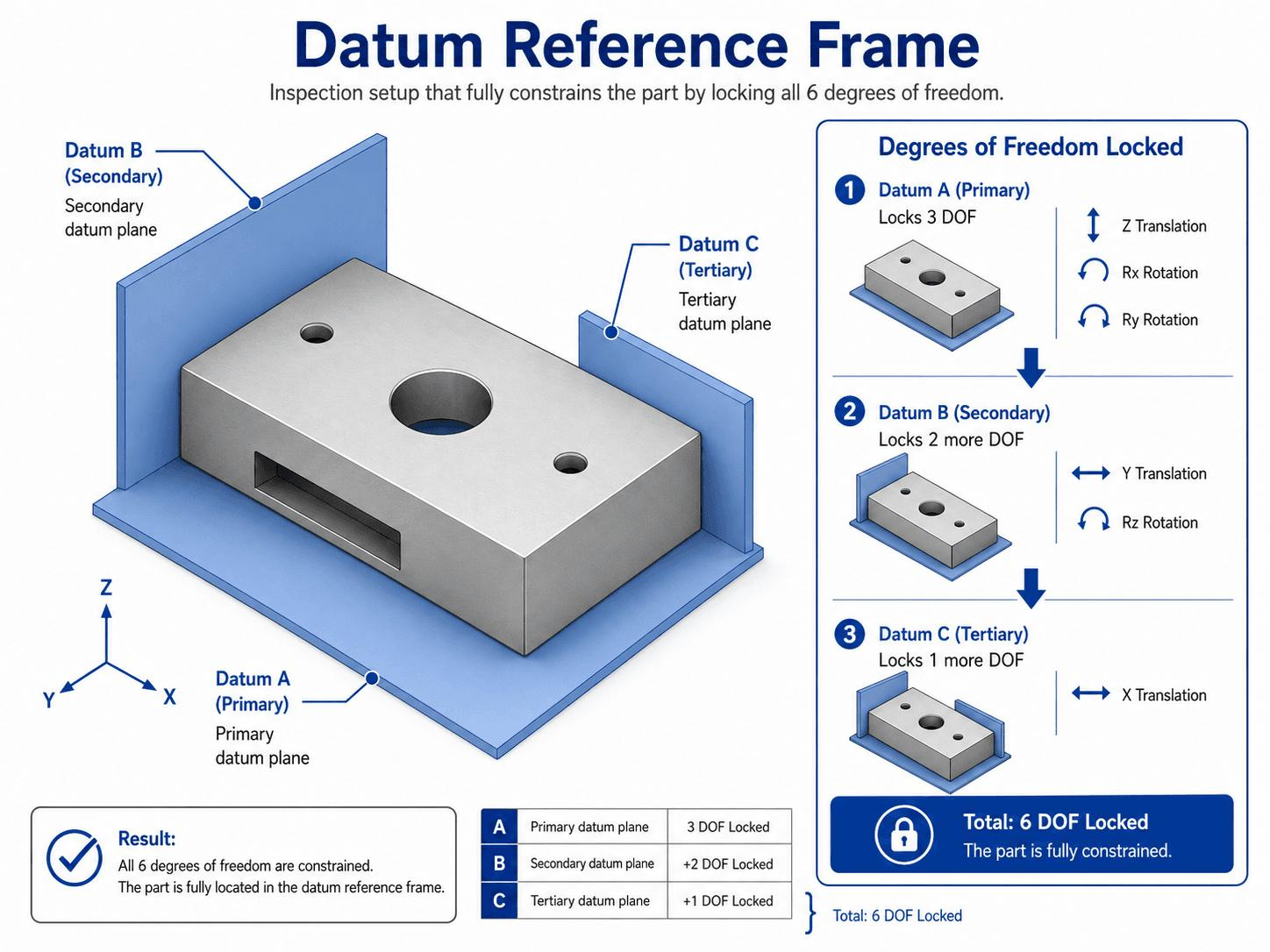
Mold shops often face a confusing situation: CNC machining passes inspection, CMM readings look acceptable, but the molded parts still repeatedly fail dimension checks. Engineers spend plenty of time adjusting cavity steel, tweaking shrinkage values and polishing surfaces, yet the out-of-tolerance problem keeps recurring. In most of these cases, the real culprit is not machining accuracy — it is uncontrolled datum conversion.
Datum conversion means transferring the reference origin across different stages: from customer part drawing datum, mold design datum, mold base machining zero point, cavity electrode datum, EDM setup datum, first article inspection datum, all the way to molded-part measurement datum. Every time you switch reference frames without formal validation, you introduce hidden offset, rotation and stacking error. Even a tiny 0.01~0.02 mm datum drift will be amplified in multi-cavity automotive molds, leading to inconsistent cavity positions, true position violations and assembly fit issues.
Common Datum Conversion Pain Points We See On-Site
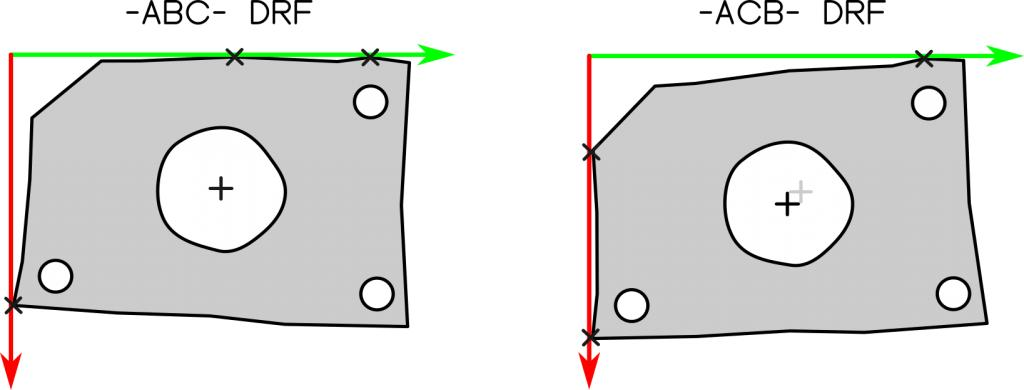
Datum mismatch between customer drawing and mold design
Customers define GD&T based on functional assembly datums (A/B/C on plastic parts). Some tooling teams directly take mold parting line or mold block edge as machining zero without mapping the part datum chain. The mold is made correctly against its own origin, but the molded part is measured against the customer’s datum system — this creates a systematic deviation that many teams misjudge as shrinkage or machining error.
Unrecorded datum handover between processes
Mold base CNC, cavity milling, EDM, wire cut, polishing and trial inspection often use separate work offsets. If there is no unified datum transfer sheet, operators will set zero points by habit. Each re-clamping and re-zeroing becomes an unmanaged datum conversion. Errors accumulate step by step.
Electrode datum and steel cavity datum not correlated
Many shops use independent electrode datums. When electrodes are burned into inserts or cavities, there is no verified transformation matrix between electrode coordinate and mold master datum. After EDM, CMM inspection shows scattered position variation across cavities.
FAI / PPAP inspection uses inconsistent datum scheme
For IATF 16949 automotive projects, the FAIR (First Article Inspection Report) must follow the customer’s specified datum reference frame. If mold trial samples are measured using mold-side datums instead of part functional datums, the inspection report will look good internally but get rejected by the customer. This is one of the top non-conformances in PPAP submissions.
No datum verification after mold repair, re-clamping or disassembly
After welding, rework, insert removal and reinstallation, many teams skip datum re-probing. They simply continue machining based on old zero points. Datum shift happens silently and only gets exposed during mass production sampling.
Our Full-Process Mold Datum Control Framework
We build a locked datum chain from DFM to final FAIR, to make every datum conversion traceable and validated.
✅ Step 1: Lock the master datum at DFM stageWe map customer part GD&T datums to mold master datum in the DFM review. The transformation relationship between part datum and mold machining datum is documented and signed off before steel cutting. No arbitrary datum switching is allowed later.
✅ Step 2: Unified zero-point system with zero-point clampingWe apply zero-point fixture systems for mold base, cavity inserts and electrodes. All setups refer back to one common master coordinate. Every coordinate transformation matrix is saved, logged and version-controlled.
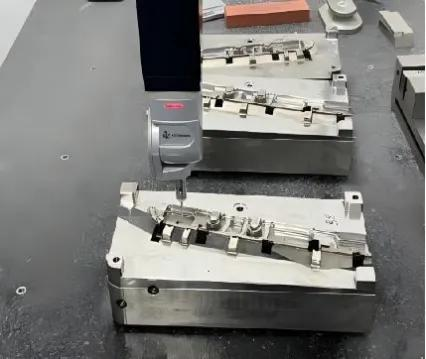
✅ Step 3: Datum handover check at each process transferWhen jobs pass from CNC to EDM, EDM to polishing, polishing to trial, our QC confirms datum reference, offset value and probing result on the datum transfer form. CMM probing is required after every major setup change or mold disassembly.
✅ Step 4: Datum alignment before first article inspectionBefore FAIR sampling, we cross-verify: mold master datum → cavity position → molded part datum. The CMM program strictly follows customer datum sequence A/B/C, not mold convenience datums. All FAIR bubble dimensions are reported on the customer’s reference frame, fully compliant with IATF 16949 and PPAP requirements.
✅ Step 5: Re-validation after mold modification & repairAny welding, insert replacement, rework or re-clamping triggers a mandatory datum recheck. We record the new offset and update the datum matrix file to prevent hidden drift carrying into next trial run.
Why This Matters For Automotive Molds
Automotive plastic parts have tight GD&T, multi-cavity balance requirements and strict PPAP traceability. Machining tolerance alone cannot guarantee good parts if your datum logic is broken. Controlling datum conversion is cheaper than chasing endless rework, steel modification and delayed PPAP approval. It stabilizes Cpk performance and reduces scrap during molding.
Closing
Precision mold making is not only about high-accuracy machines. It is about a reliable, unbroken reference chain. If your team keeps fighting unexplainable dimension out-of-tolerance and cavity inconsistency, start checking whether your datum conversion is controlled.
We support full datum mapping, DFM datum review, CMM program validation and IATF16949-compliant FAIR documentation for automotive injection and die-cast molds. Contact us to review your datum strategy for your next mold project.
Related News
-
Mold Datum Management: The Root Cause of Many Dimension Out-of-Tolerance Issues Is Uncontrolled Datum Conversion
Industry News | 2026.07.30Learn More
-
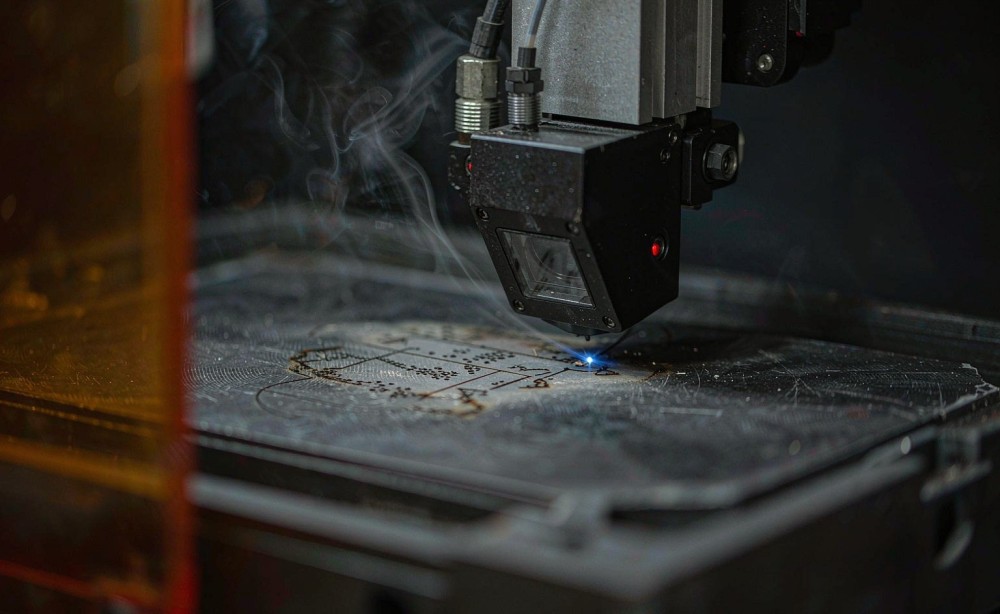
How Seaflyer Delivers Flawless Surface Finishing & Turnkey Assembly
Company News | 2026.07.30Learn More
-

Key Control Points for the Full Process of Mold Cooling Channel Design, Machining and Pressure Testing
Industry News | 2026.07.30Learn More
-
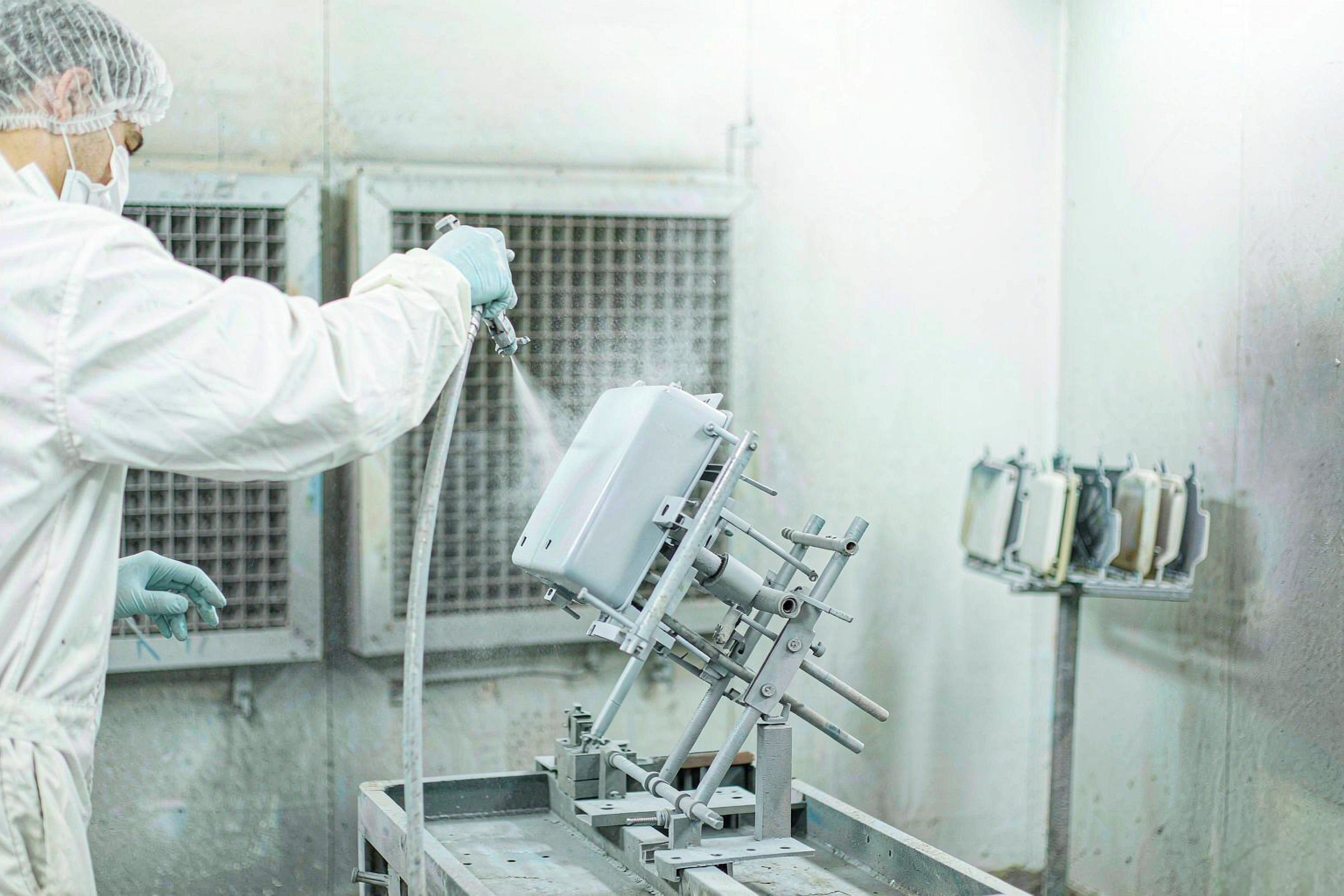
Struggling with MiFi Housing Assembly? Inside Seaflyer's Precision Manufacturing Ecosystem
Company News | 2026.07.30Learn More